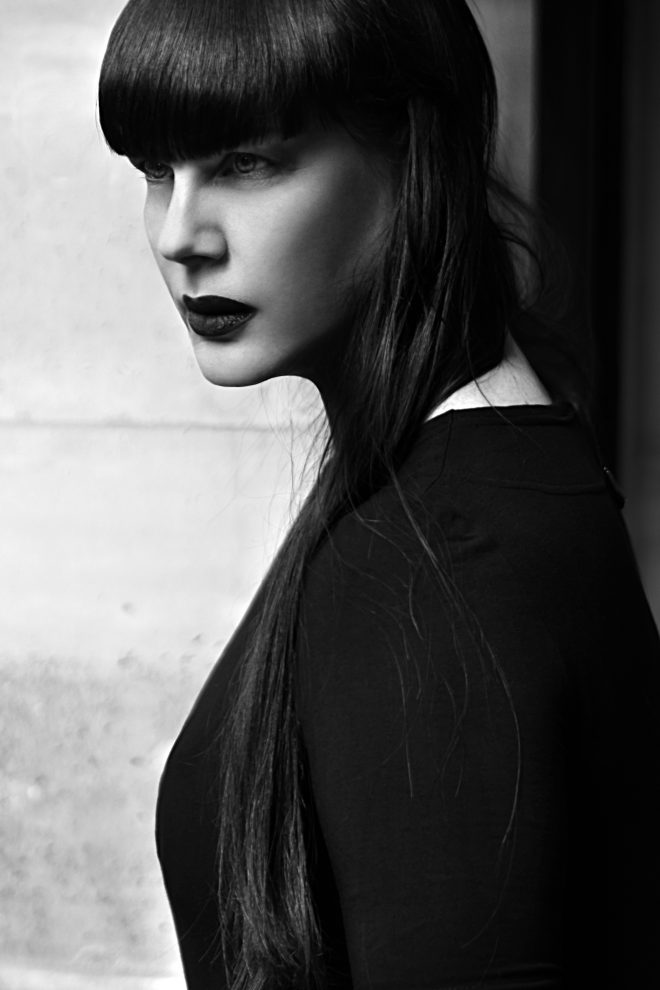


Intervista a Kittin: vendere la tua arte senza vendere la tua anima
Ci siamo fatti raccontare da Kittin cosa significhi essere oggi un'artista donna che ha attraversato epoche e confini, per ritrovarsi oggi in un panorama in costante evoluzione, da cui prendere spunto e mai da respingere.
ENGLISH VERSION BELOW
CLICK HERE FOR SPANISH VERSION
Che cosa significa, oggi, essere liberi? Una domanda vertiginosa: complessa e, allo stesso tempo, sfuggente. Per noi, argonauti della musica elettronica, la libertà coincide con il lasciarsi frantumare i timpani da un impianto da 50.000 watt oppure con il chiudersi in studio, cuffie alle orecchie (talvolta nemmeno delle migliori), divorando dischi senza sosta. Affermare che la libertà nasca dall’introspezione può sembrare quasi ovvio. Eppure, cercare dentro di sé, nella propria opera, nella propria passione, ciò che ci fa sentire liberi è un modo speciale di prendersi cura di sé.
È questo, espresso forse con parole imperfette, ciò che Kittin mi ha trasmesso sin dal primo ascolto e che, dopo questa intervista, posso dire abbia trovato conferma. La sua carriera ha preso avvio con un’energia dirompente, intrisa di ironia e sarcasmo, sempre maneggiati nella loro forma più incisiva, mai scivolata nella superficialità. Oggi, la sua lucidità la restituisce come donna e come artista capace di non aggrapparsi al passato: osserva il presente, accoglie il futuro, resta permeabile a tutto ciò che è in movimento. Forse è anche per questo che non possiede ancora una risposta definitiva alla domanda: “Chi è Kittin oggi?”.
Ed è probabilmente proprio qui il nodo. Essere liberi significa abitare il disequilibrio, rifiutare di rinchiudersi in una definizione, in un’epoca. È esattamente lì che incontriamo Kittin: in quello spazio vivo e mutevole in cui non è necessario sapere chi si è, per esserlo davvero.
Chi è Kittin oggi, come artista e come donna, e in quale punto senti di trovarti all’interno del tuo percorso musicale?
È esattamente la domanda che continuo a pormi. Non ho ancora tutte le risposte e, anche per questo, non ho pubblicato nuova musica.
Sto ancora elaborando la longevità, tutto ciò che ho vissuto e raggiunto. Il passaggio dalla spontaneità e dall’assenza totale di aspettative dei primi anni a una forma di consapevolezza più elevata è un processo intenso. Come preservare l’ingenuità e, allo stesso tempo, aumentare il “senso di scopo”? Come dice Jeff Mills? Pensare meno e pensare meglio? È esattamente lì che mi trovo.
Di una cosa, però, sono certa: ce l’ho fatta. Ho raggiunto il mio obiettivo di libertà. La mia intuizione è ancora affidabile, lavoro quando voglio, dove voglio, con chi voglio, seguendo un ritmo che mi fa stare bene, con un team che amo profondamente, e la vita al di fuori del lavoro mi regala una grande gioia e serenità mentale. Questo è, senza dubbio, il mio più grande traguardo. Tutto il resto è un bonus.
Il tuo suono ha sempre portato con sé uno spirito giocoso e provocatorio, difendendo costantemente una totale libertà di espressione. In un’epoca in cui tutto viene filtrato, giudicato e spesso polarizzato, quanto è difficile mantenere viva questa libertà radicale?
È qualcosa che risiede dentro di te. Perché fai musica? Se penso alla mia esperienza personale, è una sorta di impulso esistenziale. Vita o morte. Non per lo stile di vita, non per l’ego, non per essere amata o ammirata, non per lasciare una traccia. Avevo semplicemente bisogno di esprimere tutto ciò che non riuscivo a esprimere nella vita quotidiana. Non mi sono mai chiesta se fosse “rispettabile”, ma alla fine stavo comunque parlando con qualcun altro. Ed è successo davvero. Questo è il potere dell’intenzione, ed è fondamentale.
Ogni epoca ha i propri problemi sociali, questa non fa eccezione. Anzi, oggi se ne parla di più: di abusi, di salute mentale, di inclusione. Molti artisti sono radicali, ma di solito non sono quelli che ottengono un successo di massa. Non è compatibile con un’economia basata sui numeri e sul profitto, priva di emozioni. Se il tuo sogno è essere ricco e famoso, puoi seguire un metodo di marketing, ma se non lo è, allora è tua responsabilità scrivere il tuo percorso e prepararti a una strada più aspra, ma infinitamente più gratificante, soprattutto per l’autostima. Devi sapere cosa vuoi e stare attento ai miraggi. Con l’esperienza, impari cosa è giusto per te. È assolutamente normale sbagliare a volte, anche correndo il rischio di non poter tornare indietro.
Sul tuo sito racconti che negli anni Novanta e nei primi Duemila il DJing era soprattutto un gioco da uomini. Guardando alle DJ donne di oggi, pensi che qualcosa sia davvero cambiato o che sia cambiata solo la narrazione?
Certo che è cambiato. Oggi le DJ donne non sono più creature esotiche. Siamo più del 50% della popolazione, ed è semplicemente giusto così. Lo stesso vale per qualsiasi attività tecnologica. Mi entusiasma sempre incontrare e suonare con donne di talento, possiamo avere conversazioni tra di noi che metterebbero in difficoltà molti uomini.
La sessualizzazione delle donne deve ancora migliorare, da entrambe le parti. Dobbiamo continuare a smantellare quell’ordine così persistente che impone a una donna di essere attraente, come se il suo corpo fosse l’aspetto più importante. Non solo nella musica, ma ovunque. È estremamente frustrante constatare che continuiamo a essere colpevolizzate esattamente per ciò che ci si aspetta e ci si è abituati a essere. Non esiste una sola intervista in cui non mi venga posta una domanda sul mio genere. Cosa ne pensi di questo?
In effetti, dice già tutto. Oggi ti riconosci nell’attuale idea di “female empowerment” nella musica elettronica, o senti che sia ancora intrappolata nei cliché?
Per me, l’empowerment è un tema terapeutico e privato. Arrivare a sentire di avere valore, di essere degna d’amore, di essere sufficiente, è un lavoro che dura tutta la vita. Non ha nulla a che fare con la scena, ma con il mio passato. La musica mi ha aiutata a sopravvivere e a ritrovarmi, probabilmente è per questo che tante donne mi hanno detto di essersi sentite ispirate dal mio lavoro.

La decisione di eliminare il “Miss” dal tuo nome è stata influenzata dal lavoro portato avanti nella scena per mettere le DJ donne sullo stesso piano degli uomini, oppure è stato semplicemente un passaggio naturale legato alla tua evoluzione artistica?
È stato un cambiamento naturale. A un certo punto mi sono resa conto che non ero stata io a scegliere di aggiungere “Miss” davanti al mio nome. Furono i promoter di allora, per vendere più biglietti, perché suonava “cute”. Senza rendersene conto, era già una forma di marginalizzazione. Il problema è che le persone non dimenticano facilmente. Quel nome è rimasto impresso come un marcatore emotivo della loro esperienza con la mia musica e, infatti, a molti non è piaciuto affatto il cambiamento: ho ricevuto tantissimi messaggi a riguardo.
Non posso modificarlo sulle piattaforme di streaming per questioni legate alla registrazione del catalogo, né sui social, ma ormai non mi preoccupa più.
Guardando alla scena contemporanea, cosa continua ancora a sorprenderti e cosa, invece, ti annoia?
Mi sorprende moltissimo la creatività dei produttori più giovani. La capacità che hanno di assorbire e digerire influenze del passato per trasformarle in qualcosa di nuovo, sfruttando possibilità tecnologiche oggi praticamente infinite, senza porsi limiti. In fondo è esattamente ciò che facevamo anche noi ai nostri inizi. Per questo trovo inutile lamentarsi.
Quello che mi annoia davvero sono i discorsi del tipo “prima era meglio”. Tutte le critiche al successo rapido, ai mega-show, ai social network… mi stancano. Questa è la realtà: il risultato di una cultura che è cresciuta enormemente dove c’è spazio per tutti. Non sei obbligato ad amarla, ma se rifiuti il cambiamento finisci solo per vivere frustrato. Non abbiamo mai avuto così tante opportunità come oggi: club, feste, contesti diversi. È una fortuna. Ognuno ha sogni differenti e molti percorsi possibili per raggiungerli.
Restando su questa idea di trasformazione continua e di nuove generazioni: la tua musica sembra sempre alimentata da stimoli nuovi. Cosa ti accende di più in questo momento?
L’ho già accennato: sono i produttori giovani e i promoter a stimolarmi maggiormente. A ogni data incontro comunità incredibili, con valori forti e un impegno reale.
Con il passare del tempo ho detto alla mia agente che volevo dare ancora più senso a ciò che faccio: suonare meno, ma farlo in eventi che contano davvero. Voglio uscire di casa sapendo perché continuo a vivere questa vita notturna così intensa e questo ritmo costante di viaggi. Non si tratta solo di mettere dischi e divertirsi, perché quello, alla lunga, non basta. Si tratta del contributo che dai a una comunità. È un lavoro sociale.
In mezzo a questo ritmo e a tutte queste comunità, hai qualche rituale, qualcosa che fai sempre prima o dopo un set?
Non proprio. L’unica cosa di cui ho bisogno è il silenzio prima di suonare. Un po’ come un atleta: non entri in modalità creativa da DJ all’improvviso. La mente inizia a immaginare la vibrazione che porterai: il pubblico, le dimensioni della sala, chi suona prima di te, il Paese, il contesto socio-politico. Curiosamente, però, non ho bisogno di essere già dentro il club per farlo, né di guardare il pubblico. È qualcosa di più sottile.
La libertà di espressione è sempre stata al centro del tuo lavoro. Ma essere liberi all’interno di un’industria che spesso cerca di impacchettare l’artista come un prodotto può essere complesso. Esistono compromessi accettabili, o per te non ce ne sono?
I compromessi esistono sempre. A volte il mio team riesce a farmi cambiare idea su un progetto, soprattutto quando non riesco a vedere abbastanza lontano o quando sono troppo impulsiva. In quei casi ascolto e imparo. In generale, però, le mie decisioni nascono dall’intuizione: mi chiedo come mi fa sentire una certa scelta. Di solito funziona. L’intuizione resta allenata se ti prendi cura della tua salute fisica e mentale. Non scendo a compromessi con la mia arte, a meno che non si tratti di una collaborazione: lì è necessario trovare un punto d’incontro con l’altra parte.
Sul piano imprenditoriale, invece, i compromessi sono inevitabili: sei un prodotto, stai vendendo qualcosa. Essere indipendenti con un budget ridotto, però, può essere una grande forza. Ti costringe a tornare creativo. Vendere la tua arte senza vendere l’anima. Anche perché l’assenza totale di limiti non è affatto una garanzia di buon gusto.
Quando cerchi nuovi brani, cosa ti ispira di più in questo periodo? Resti fedele a un approccio old school o ti entusiasma scoprire anche nuovi produttori?
Non saprei definirlo con precisione. Ascolto una quantità enorme di musica e, nel giro di pochi secondi, capisco se un brano può funzionare per me e in che modo potrei suonarlo. Mi muovo spesso in territori meno illuminati, alla ricerca di quelle che chiamo “secret weapons”. Non è una pratica costante, avviene solo quando lo sento davvero. Quando il momento è giusto, la pesca va a buon fine. La maggior parte dei dischi che suono oggi è musica nuova, e molto spesso arriva da produttori che non sono affatto famosi. Ci sono etichette e collettivi straordinari, soprattutto in Francia.
Dopo tanti anni passati a costruire un percorso personale, senti il desiderio di trasmettere qualcosa di ciò che hai creato alle nuove generazioni?
Sì, senza dubbio. Ma lo vivo come uno scambio, non come un passaggio a senso unico. Ci ispiriamo a vicenda: la loro visione, il loro suono, il loro entusiasmo. Da parte mia, restituisco visibilità suonando la loro musica, attraverso le conversazioni che nascono o mettendo a disposizione il mio mondo e la mia tecnica vocale quando collaboriamo. Negli ultimi tempi ho partecipato anche ad alcuni panel, raccontando il mio percorso. Non mi sento però nella posizione di dispensare consigli o di giudicare, lo ripeto sempre: ognuno deve fare la propria esperienza e trovare il proprio cammino. Siamo tutti diversi, io sono qui, se serve.
ENGLISH VERSION
What does it mean, today, to be free? A dizzying question. Difficult, and at the same time elusive. For us, argonauts of electronic music, freedom is letting our eardrums be shattered by a 50,000-watt sound system, or locking ourselves in a studio with a pair of headphones (sometimes not even particularly good ones), devouring records without pause. To say that freedom is born of introspection almost sounds obvious. And yet, searching within oneself, within one’s own work, within one’s own passion, for what makes us feel free is a beautiful and necessary form of self-care.
This is, put rather inadequately into words, what Kittin conveyed to me from the very first time I heard her. And after this interview, I can say that my intuition was, in some way, confirmed. Her career began with an overwhelming force, charged with irony and sarcasm, always wielded at their most potent, never slipping into frivolity. Today, her clarity defines her as a woman and an artist who does not cling to the past. She observes the present, welcomes the future, remains open to everything that moves. Perhaps that is why she still has no definitive answer to the question, “Who is Kittin today?”
And perhaps that is precisely the point. To be free means to inhabit imbalance, to refuse confinement within a definition, within an era. We find Kittin exactly there: in that living, shifting space where knowing who you are is not a prerequisite for truly being.
Q&A
Who is Kittin today, as an artist and as a woman, and where do you feel you are in your musical journey right now?
That’s what I am asking myself, I don’t have all the answers yet, and why I haven’t released any new music.
I am still processing the longevity, all the things I went through and achieved. From the early years spontaneity and zero expectations, to a higher consciousness way is a strong process. How to keep the naiveness and at the same time increase the “purpose” as Jeff Mills says? Think less AND think better? That’s where I am at.
What I am sure about is: I made it. I reached my goal of Freedom. My intuition is still reliable, I work when I want, where I want, with who I want, in a suitable rhythm, with a team I deeply love, and life outside work brings me a lot of joy and peace of mind. It’s surely my biggest achievement. So the rest is bonus.
As a DJ, I am profoundly stimulated by the young generation, especially in techno. If you listen to my oldest sets I’ve always played techno with other things in between. If I am famous for my voice and the songs with The Hacker, it’s only a part of my work, very different from what I play as a DJ, so every gig I have to get out of that box. This challenge, instead of being frustrating, keeps me fierce. As a producer, I have no idea what I want to do. Songs come to me. Every time I try to write the futuristic pop music I am dreaming of, I fail. I am still learning to let go. Composing is a humbling task.
Your sound has always carried a playful, provocative spirit, and you’ve consistently defended total freedom of expression. In a time where everything is filtered, judged, and often polarized, how hard is it to keep that radical freedom alive?
It’s within you. Why do you make music? If I reflect on my own experience, it is somehow an existential drive. Life or death kind of. Not for the lifestyle, not for ego, not to be loved and admired, not to leave a trace. I just needed to express everything I couldn’t in daily life. I never asked myself if it’s respectable, but eventually it would speak to someone else. It did. That’s the power of intention, and it’s crucial.
Every era has its society issues. This one is not any different. On the contrary, we speak more, about abuse, mental health, inclusion etc... Lots of artists are radical, but they are usually not the ones with massive success. It doesn’t fit with an economy based on numbers and profit, with no emotions.
If your dream is to be rich and famous, you can follow a marketing method. If not, it’s your responsibility to write your own way, and get ready for a rockier path but so rewarding in many ways, especially self esteem. You have to know what you want and be careful about mirages. Hopefully you learn what’s right for you with experience. It is completely normal to sometimes take the wrong path, with a risk of no return.
On your website you mention how, back in the 90s and early 2000s, DJing was mostly a men’s game. If we look at women DJs today, do you think something has truly changed, or has only the narrative around change evolved?
Of course it did change. Now female DJs are not exotic creatures anymore. As more than 50% of the population, it is fair. Same with any tech activities. I am always thrilled to meet and play with talented women, we can have serious girl talks embarrassing for men. Sexualization of women still has to improve, from both sides. We still have to deconstruct this tenacious injunction that women have to be attractive, that their physique prevails. Not only in music, everywhere. It’s very upsetting to still witness they are constantly blamed for exactly what they are expected and conditioned to be. There is not ONE interview where I am not asked about the subject of my genre. What about that?
Which, in itself, says a lot... Do you identify with the current idea of “female empowerment” in electronic music, or does it still feel trapped in clichés?
Empowerment is a therapeutical and private subject to me. To get to the point I am worth it, I am lovable, I am good enough, is a life work. It has nothing to do with the scene, but with my past. Music helped me survive and find myself. That’s probably why so many women said they were inspired by my work.
Your decision to drop the “Miss” from your name, was it influenced by your work within the scene to push women DJs onto the same level as men? Or was it simply a natural shift aligned with your artistic evolution?
Natural shift once I remembered it was not my choice to add “Miss” in front of my name, as every promoters did back then to sell tickets, because it sounded “cute”, and therefore marginalized us without even knowing. But people don't forget easily, it is inked as an emotional marker to their experience with my music. They didn't like it. I received a lot of messages about it. I can’t change it on streaming platforms for catalog register reasons or social media. I don’t bother anymore.
Speaking of the contemporary scene, what still surprises you and what bores you?
What surprises me is the creativity of young producers, managing to integrate and digest old influences into something new with the infinite tech possibilities of today, and no boundaries. That’s also what we did in our time after all. So it’s no use to complain. The moaning about “it was better before” really bores me. All the criticism about fast success, mega shows, social media, all of this really bores me. It is what it is, as a result of our culture growing massively, and there’s space for everyone. You don’t have to like it. If you don't embrace change, you’ll be frustrated. We never had so many opportunities today, clubs, parties. It’s a chance. We all have different dreams, and many ways to get there.
Your music always seems driven by new impulses. What sparks you the most right now?
I said that earlier. I am very stimulated by young producers, and promoters. Every gig, I meet incredible communities, with great values and engagements. Getting older, I told my agent I wanted to give even more purpose to what I do, play less and play for meaningful events. I want to leave my house knowing why I am still going through this insane nightlife and travel. It’s not only about playing music and having fun, this doesn’t last. It’s about your contribution to a community. Social work.
Do you have a ritual, something you still do before or after a set?
Not really. I just like to be quiet before I play. Like an athlete, you don’t jump into a creative DJ mode just like that. Your mind starts to envision the vibe you are about to input, with the crowd, size of the room, DJ before you, country, social political situation etc… I don’t have to be in the room for that, strangely, like I don’t have to look at the crowd. It’s more subtle than that.
Freedom of expression has been at the core of your art from day one. But being free inside an industry that often wants to package the artist as a product can be tough. Are there compromises you consider acceptable, or not at all?
We always have to make compromises. it happens that my team convince me to change my mind on a project, when I don’t see far away enough, when i am too impulsive. I listen, I learn. But mostly, my decisions are made from intuition: how do I feel about this or that? Usually it works. You keep your intuition tuned by being healthy, physically and mentally. I don’t make compromises on my art, unless I collaborate and therefore you have to find a common agreement with the other part. Business wise, you have to, you are a product, you are selling something. Being independent with a small budget is a good thing to me, it forces creativity again. To sell your art without selling your soul. Zero restriction never guarantees a good taste either.
When digging for music lately, what inspires you the most? Are you still loyal to the old-school approach, or are you excited by discovering new producers as well?
I don’t know. I listen to a lot of music and I know within seconds if I can play it, and how. I dig in obscure places to find secret weapons. I don’t do that regularly, again just when I feel it. When the time is right, fishing is successful. Most of what I play right now is new, and usually not famous producers. There are amazing new labels, crews, especially in France.
Do you feel the desire to pass on what you’ve built through your art to the new generations? If yes, how do you do it? If not, why?
Yes. Clearly. But I see it as an exchange. We get inspired from each other. Their vision, sound, enthusiasm, and me giving the exposure by playing it, our conversations, or my world and technique as a vocalist if we collaborate. I also did a few panels lately talking about my career. But I am not here to give advice really, nor to judge. As I keep saying, you have to make your own experience, find your own way. We are all different. But I am here in case of need.